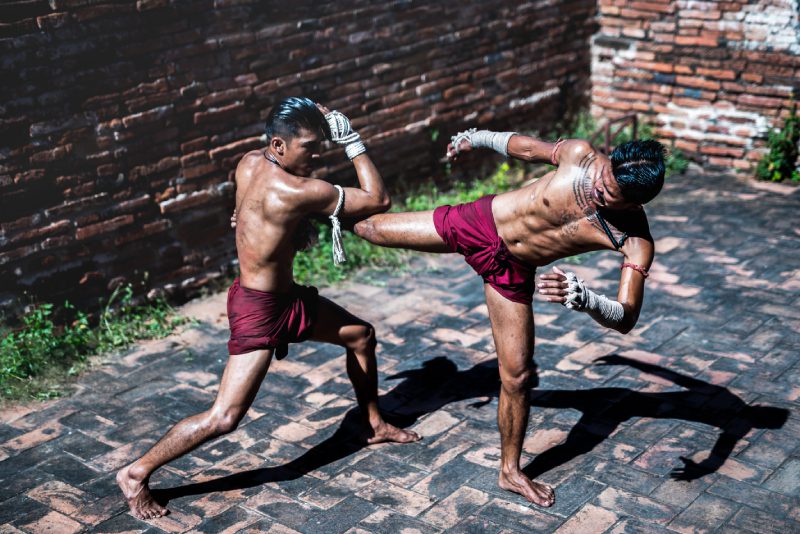
Muaythai is more than a sport. It is the heartbeat of Thailand, a living tradition that has shaped the nation’s identity for more than a thousand years. What began as a way of survival on ancient battlefields is today a global phenomenon, practised in 158 countries and fully recognised by the International Olympic Committee. Its story is one of courage, artistry and pride, passed down through generations of warriors, masters and athletes.
In the early kingdoms of Sukhothai and Ayutthaya, soldiers turned to their own bodies when weapons failed—fists, elbows, knees and shins became their armour. This art of “fighting with many limbs,” known as Pahuyuth, laid the foundation for Muaythai. Tales of warriors such as Nai Khanom Tom, who defeated Burmese champions, still echo through history, reminding every fighter of the values of respect and perseverance. The rituals endure too: the Wai Kru ceremony, the mongkhon headband, the prajiad armband—symbols of courage, gratitude and spiritual protection.
As Thailand moved into the Rattanakosin era, Muaythai shifted from a battlefield necessity to a celebrated cultural expression. Fighters like Khun Phandin Thin, Nern Thep and Phai Singha thrilled crowds with speed and precision. The contests became part of festivals and royal tournaments, accompanied by traditional music that gave rhythm to combat. The art was no longer just about survival; it had become performance, blending strength with elegance.
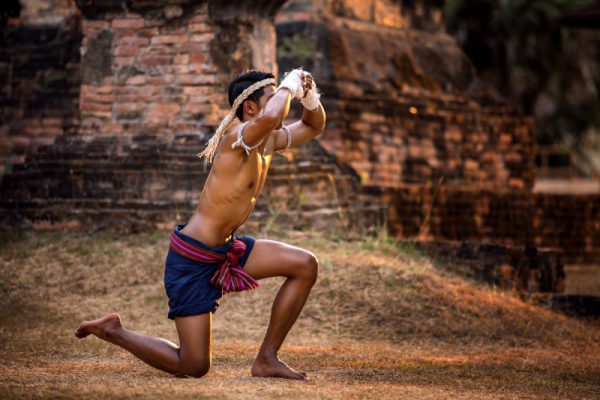
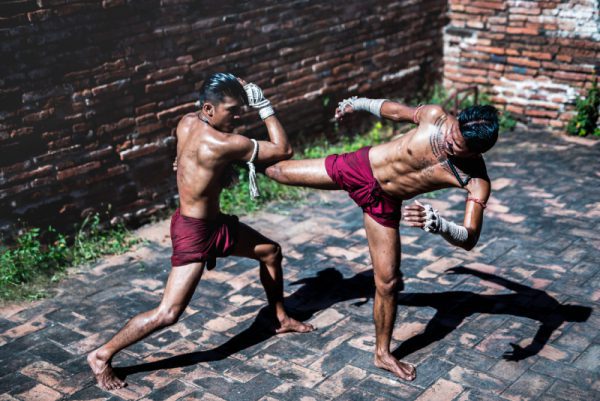
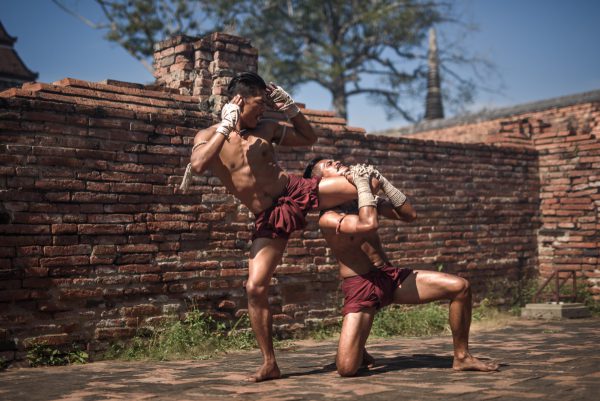
The sport’s golden age arrived under the reigns of Rama II through Rama VI. Rules were codified, hand wraps were fashioned from silk, and the rituals surrounding each bout became sacred. King Chulalongkorn introduced weight divisions, timed rounds and boxing rings, while King Vajiravudh oversaw the construction of Rajadamnern Stadium, ensuring Muaythai had a permanent stage in the nation’s heart. It became part of schools, state ceremonies and national pride.
After the Second World War, Muaythai crossed borders. Thai masters carried their knowledge overseas, international athletes embraced the discipline, and the art began to flourish far beyond Thailand. In 1993, the International Federation of Muaythai Associations (IFMA) was established to bring unity, structure and integrity to the sport. Recognition followed from GAISF and SportAccord, and in 2021 the IOC confirmed Muaythai’s place as both a global sport and a cultural treasure.
Today, Muaythai lives by five universal pillars: Respect, Honour, Tradition, Excellence and Fair Play. It is not only a martial art but a philosophy that shapes character, teaching discipline, humility and resilience. From village temples to world championships, from Bangkok’s historic stadiums to Olympic arenas, Muaythai continues to inspire millions, linking history with modernity, tradition with progress, and Thailand with the world.
It is Thailand’s gift to humanity: a living legacy of courage, artistry and the enduring human spirit.